●Distributor for Preferred Lightning Protection, Inc. | Harger Lightning & Grounding | Robbins Lightning | East Coast Lightning Equipment, Inc. | Independent Protection Co., Inc. | AllG Fabrications | Nvent/Erico
●Direct sales to General Contractors, Electricians, Roofers, Homeowners, Government, Military, Etc.
●Design Drawings by a LPI certified master designer.
●Free technical support throughout your projects.
●Installation services for Commercial, Government, Military, the Oil and Gas Industry, Distilleries, Agricultural, and Residential.
●Simply submit a quote request form to get started. Lightning Fast Service! Give us a call and Contact us here!
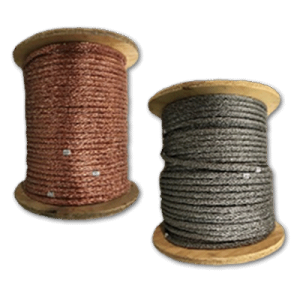
1 - Lightning Conductor (13)
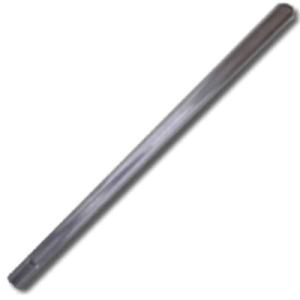
2 - Aluminum Air Terminals, Tripod Supports, & Accessories (17)
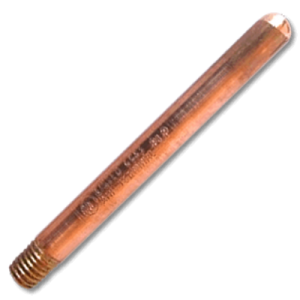
3 - Copper Air Terminals, Tripod Supports, & Accessories (18)
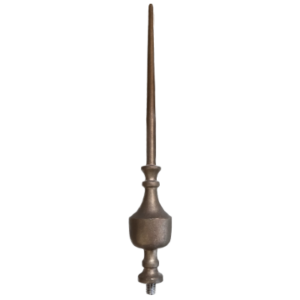
4 - Finials (2)
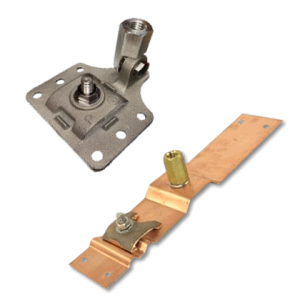
5 - Lightning Protection Air Terminal Bases (21)
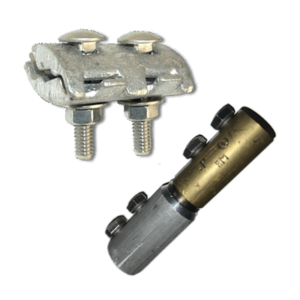
6 - Conductor Splicers & Cable Splicers (17)
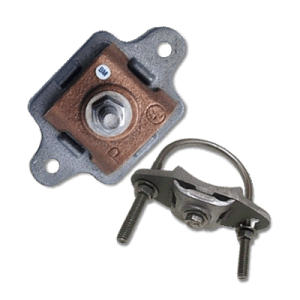
7 - Bond Plates, Bond Lugs, Pipe Bond Clamps, Computer Room Ground Clamps, & Bonding Straps (24)
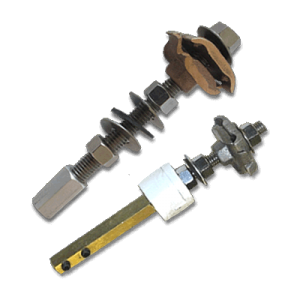
8 - Through Roof, Wall Connections & Accessories (22)
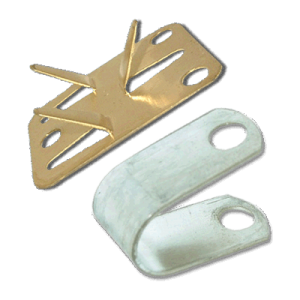
9 - Conductor Fasteners & Accessories (28)
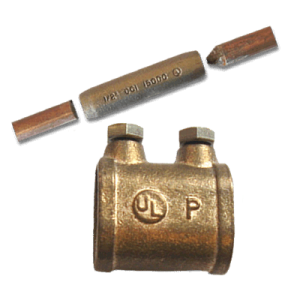
10 - Grounding Rods, Copper Ground Plates, Chemical Ground Rods, and Clamps (19)
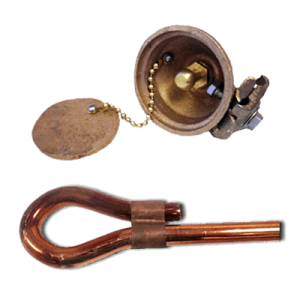
11 - Aircraft - Static Grounding, Tie Downs & Grounding Receptacles (17)
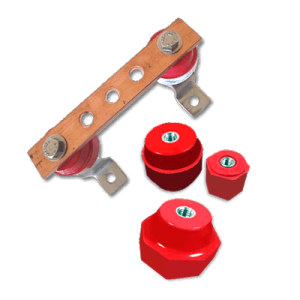
12 - Ground Bus Bars & Accessories (6)
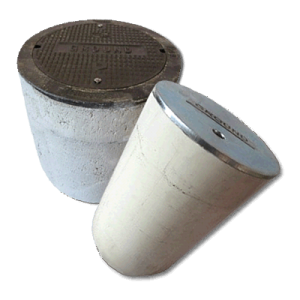
13 - Grounding Access Wells (7)
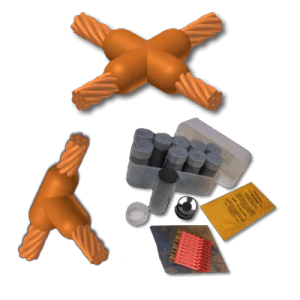
14 - Exothermic Weld & Accessories (7)
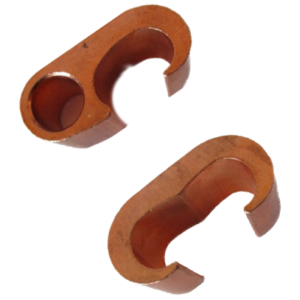
15 - High Compression Lugs and Accessories (6)
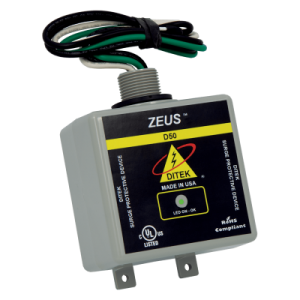
16 - Surge Protection (8)

17 - Weathervanes, Glass Ornaments, & Accessories (9)
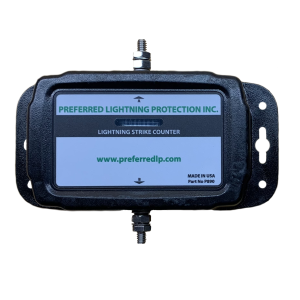
18 - Lightning Strike Counters (3)
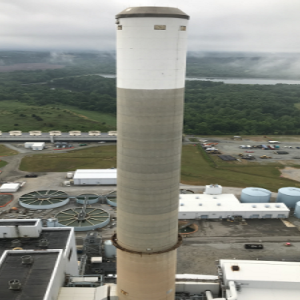
19 - Heavy-Duty Smokestacks/Exhaust Stacks (34)
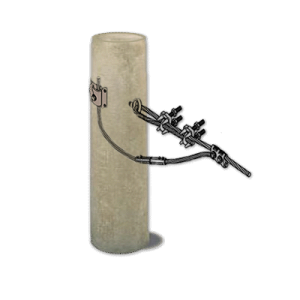
20 - Catenary Lightning Protection (13)
21 - Tree Lightning Protection (8)
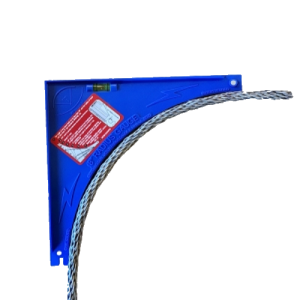
22 - Lightning Protection Tools (5)
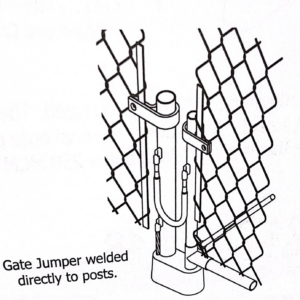
23 - Fence Grounding and Bonding Materials (8)

Uncategorized (1)
Montana Office
| Michael and Julie Kuefler, Shad Bown, Eric Streets, Joe Mitchell, Joe Kuefler |
| KLP, Inc. Montana |
| mkuefler@kuefler-lightning.com |
| 100 Mariah Lane/ PO Box 209, St. Ignatius, MT, 59865 |
| Phone: 406-745-3800/ Toll Free: 800-370-5886 |
| Fax: 406-745-3820 |
Florida Representative
| Michael and Julie Kuefler |
| KLP, Inc. Florida |
| Email: mkuefler@kuefler-lightning.com |
| 11 Santo Court, Fort Meyers, Florida, 33912 |
| Fax: 406-745-3820/ Toll Free: 800-370-5886 |
Minnesota Representative
| Marie Halloran |
| KLP, Inc. Minnesota |
| Email: mkuefler@kuefler-lightning.com |
| 1670 Greer Ave. N.W., Maple Lake, Minnesota, 55358 |
| Phone: 763-229-8313/ Toll Free: 800-370-5886 |
Connecticut Representative
| Joseph Mitchell |
| KLP, Inc. Hamden Connecticut |
| Email: mitchell@kuefler-lightning.com |
| Phone: 406-531-4082/ Fax: 406-745-3820/ Toll Free: 800-370-5886 |
Lightning Protection Services You Can Trust
 At Kuefler Lightning Protection we offer:
- Lightning Protection Products and equipment for sale, including individual parts or complete systems.
- Distributor for Lightning Protection Products from several manufactures.
- Direct sales to General Contractors, Electricians, Roofers, Homeowners, Government, Military, Ect.
- U.S.A made parts.
- Design Drawings by a certified Master Designer.
- Free technical support throughout your projects.
- Installation services for residential, commercial, government, military, and for the oil and gas industry.
We are always moving forward in order to better serve our customers. KLP is a member of Lightning Protection Institute, Forest Fire Lookout Association, and is a UL listed contractor. In addition, we have on staff an LPI certified master installer and LPI certified journeymen installers with over 95 years of experience in the industry.